
For inventors, research teams and technology transfer offices
A strong invention still needs a clear route to the market.
STI helps inventors and research teams turn results into something an industrial customer will buy: a validated application, protected IP, a first pilot and the right commercial structure – a new company, a licence or a sale.
Why good inventions stall
Four gaps we work on
- Application focus – many possible uses, none tested with a customer.
- Industrial validation – laboratory results that nobody has reproduced at pilot scale.
- IP position – filings that do not cover the product, or ownership that is unclear.
- Commercial structure – no company, no licensee and no funding to bridge the gap.
Our process
- First reviewA short, non-confidential description. We tell you within five working days whether we will look further.
- Technology and IP assessmentOur engineers and IP advisers look at the data, the claims and freedom to operate.
- Market validationInterviews and tests with industrial users to find the first application worth pursuing.
- Commercialisation planNew company, licence or sale – with the budget, partners and funding route.
- ExecutionInvestment, pilot and first customers, where agreed.
Who we work with
From independent inventors to university portfolios
Independent inventors
We judge the evidence, not the institution behind it.
Research teams
Results ready to leave the laboratory, with a team willing to follow them.
Universities and TTOs
Licensing, joint creation of spin-offs, and a home for patents the university no longer wants to maintain.
EU project partners
Key exploitable results that need an owner, an investor or a market route after the grant ends.
A patent family you can no longer afford? Ask us before you stop paying the fees. A lapse ends the patent right; it does not erase the invention, but it usually removes the protection that makes investment possible. IP and patents
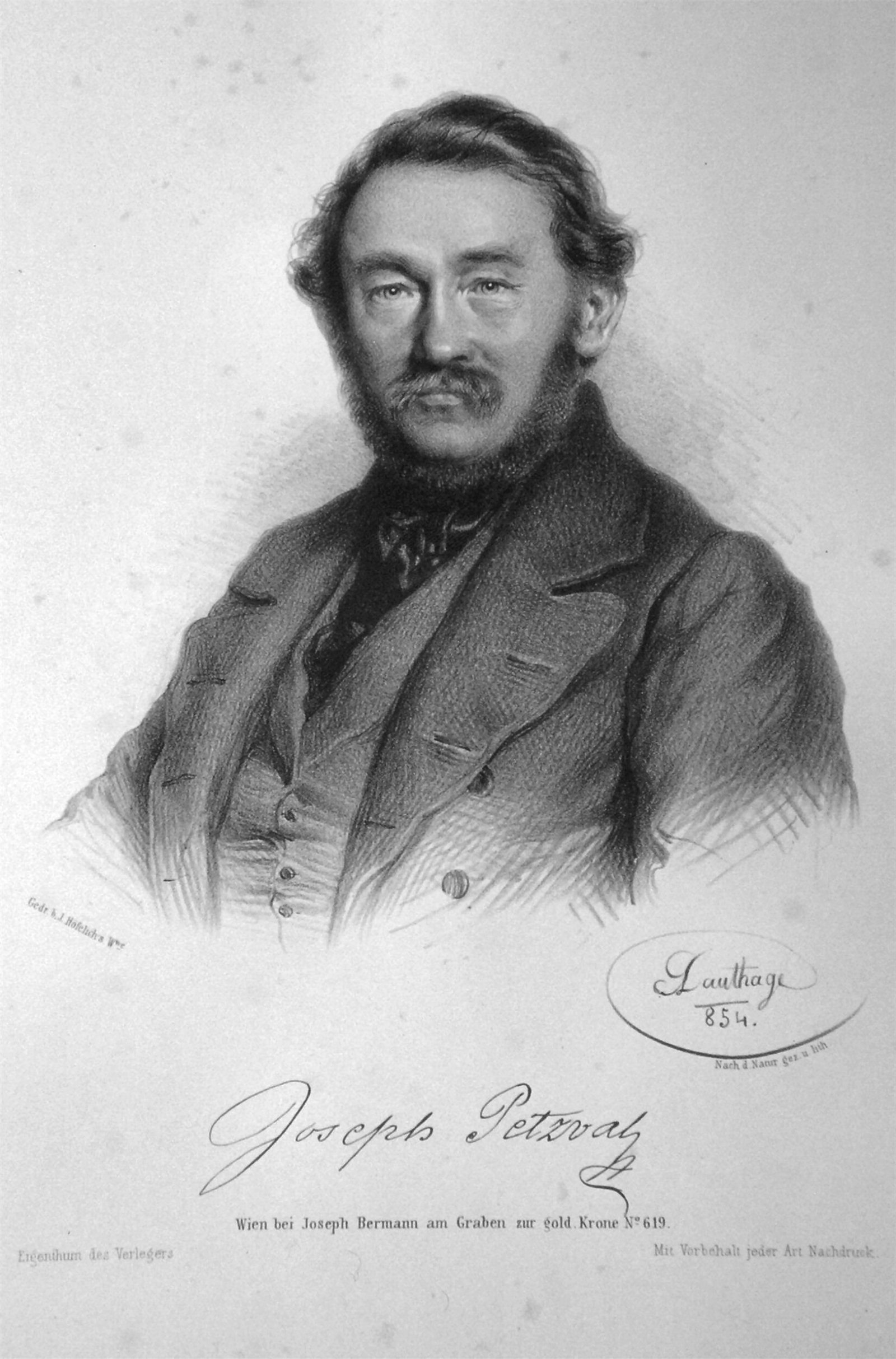
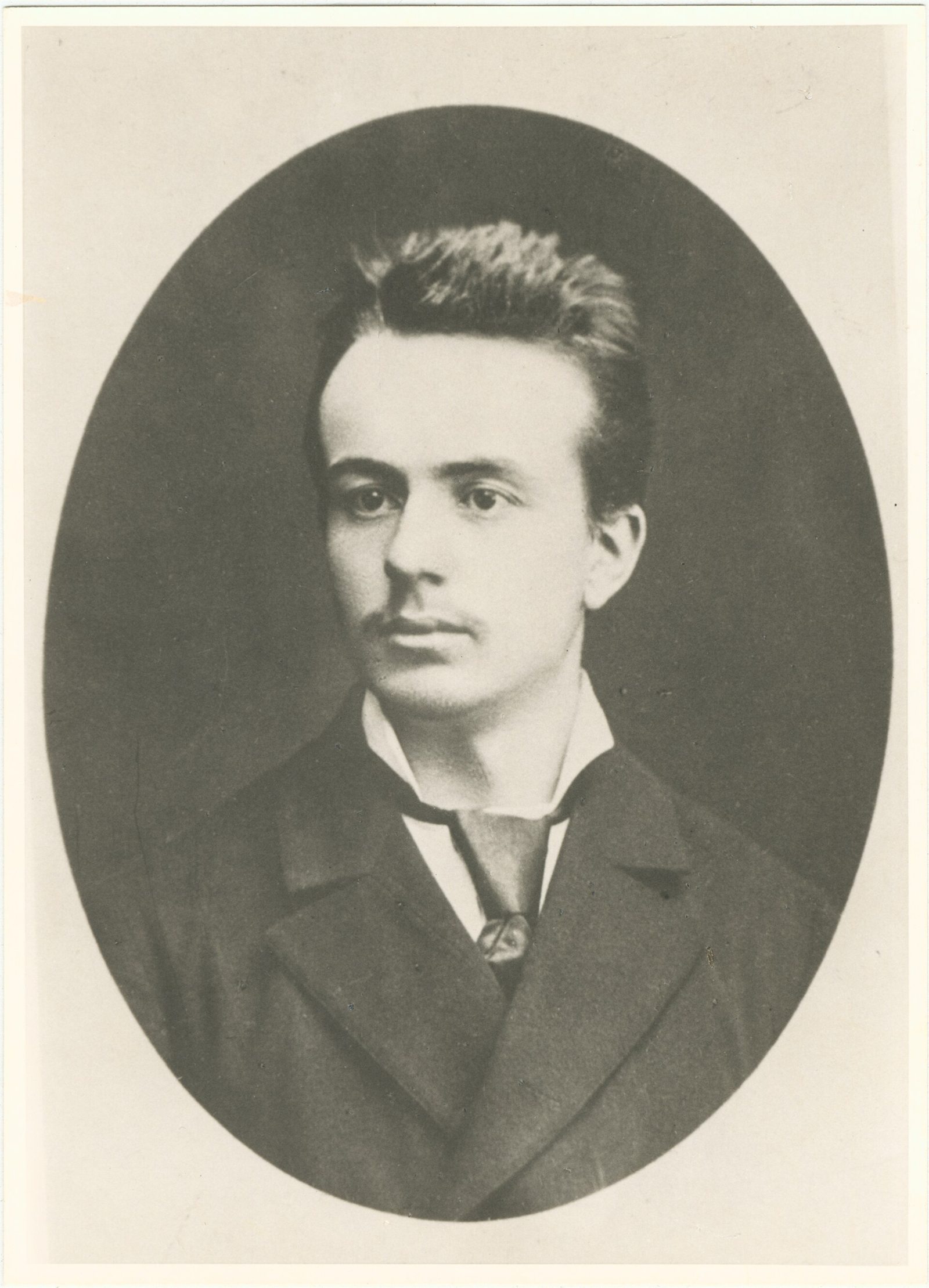
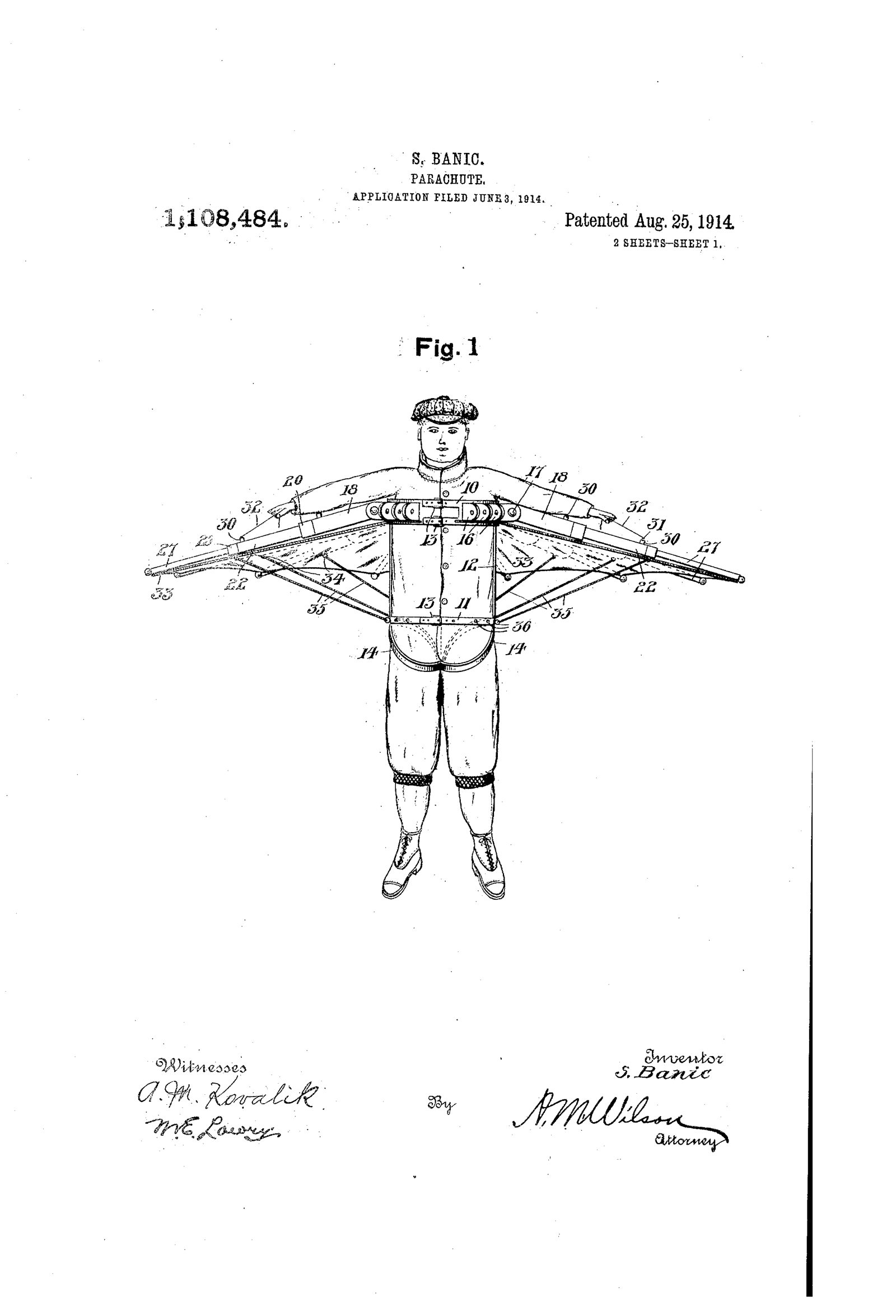
Inventors who went before you
Great ideas from our region – and what became of them.
The history of Central European invention is also a history of commercialisation won and lost. A good invention needs protection, a partner and a route to market.


Start with a one-page summary
What it does, what it has proven, who owns it. Keep confidential details until a confidentiality agreement is in place.